
Is Puyallup, WA a good place to live?
For many buyers, yes — especially if you want options. Puyallup combines a historic downtown with locally owned shops, the Washington State Fair, and a Sounder commuter rail station with the busier, newer South Hill area on the plateau above. Parks like Clarks Creek and Bradley Lake add easy outdoor time close to home. The tradeoffs are peak-hour traffic and lahar hazard areas on the valley floor. In September 2026, NWMLS data put Puyallup’s median sale price at $525,000, with a median of 28 days on market.
I bought my first home in Puyallup and lived there for many years before moving to Orting. Over the last 15 to 20 years, I’ve watched it change tremendously — and that change is exactly why “Is Puyallup a good place to live?” doesn’t have a one-word answer.
Here’s my honest take, from someone who’s lived it and now helps buyers and sellers here every week. If you’re comparing Puyallup with nearby cities, start with our Pierce County Relocation Hub.
Two Puyallups: downtown and South Hill
When someone says they live “in Puyallup,” they might mean two very different places.
Downtown Puyallup still has that smaller-town feel. It sits on the valley floor with locally owned shops, the fairgrounds, and the Puyallup Sounder station on West Main Avenue. Sounder’s S Line runs about 13 minutes to Tacoma and about 49 minutes to Seattle’s King Street Station on weekdays, and a five-story parking garage opened at the station in 2023.
South Hill has become a busy suburban area with plenty of shopping and larger businesses. It’s mostly newer subdivisions on the plateau above the valley, and much of it is unincorporated Pierce County with a Puyallup mailing address — so services and permits can differ by parcel.
Same mailing city. Very different day-to-day experience. Our side-by-side guide to South Hill vs. downtown Puyallup goes street-level, and here’s what to know about commuting from Puyallup.
How I help buyers choose
When someone asks me where they should live, I don’t start with houses. I ask how they want to live:
- Do you value space and privacy, or being a few minutes from shopping and restaurants?
- Is a short commute essential, or will you drive farther for more room?
- Do you want an older home with character, or a newer layout?
Those answers narrow Puyallup down fast. A buyer who wants a walkable core and train access usually leans downtown. A buyer who wants newer construction and big-box shopping nearby usually leans South Hill. A beautiful house in the wrong part of town won’t make you happy long term.
What daily life in Puyallup looks like
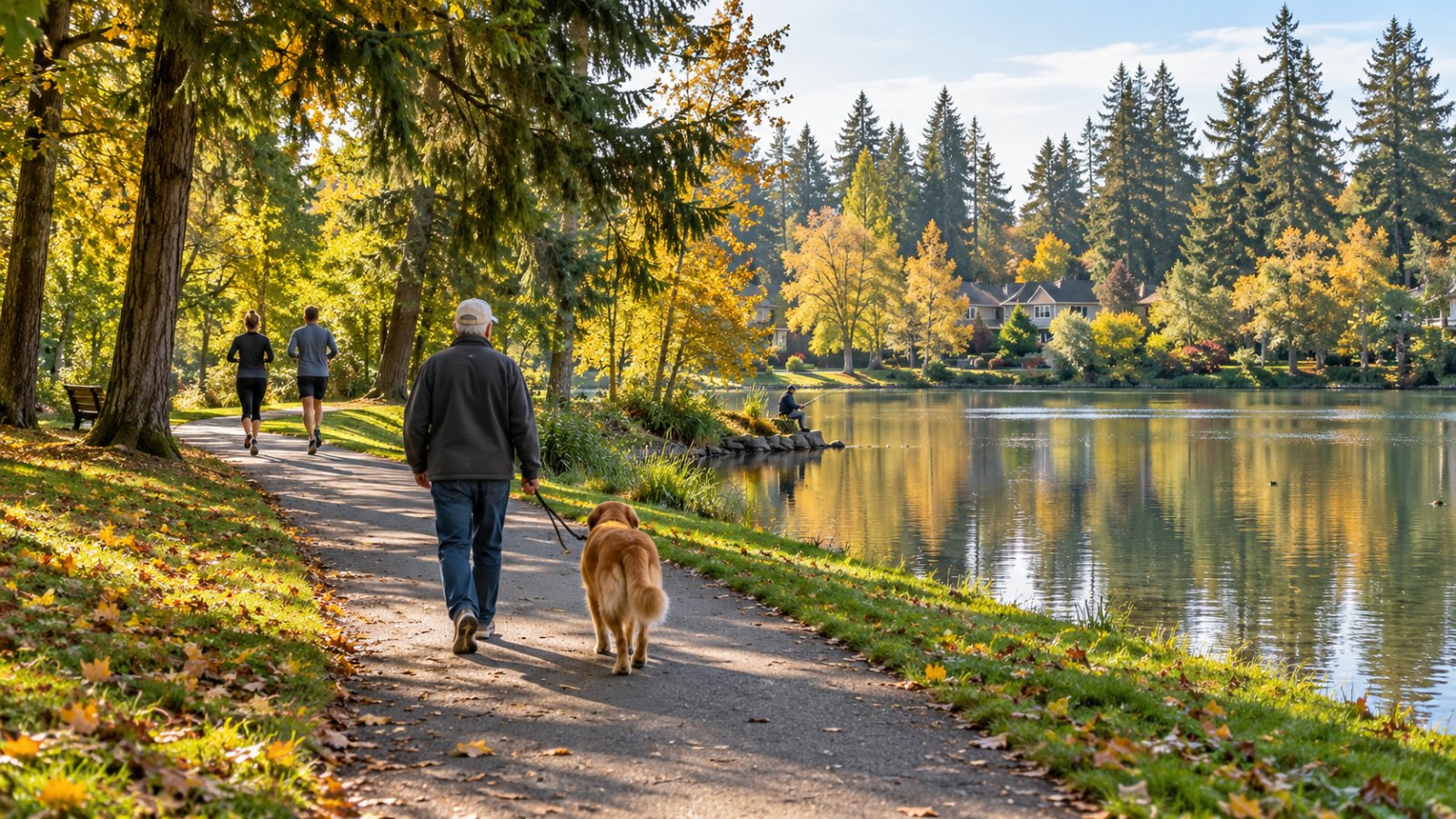
Parks close to home. Clarks Creek Park and Bradley Lake Park are two of my favorites, with walking paths, picnic areas, playgrounds, and fishing. Across the city you’ll find parks, sports areas, and places to get outside without a long drive.
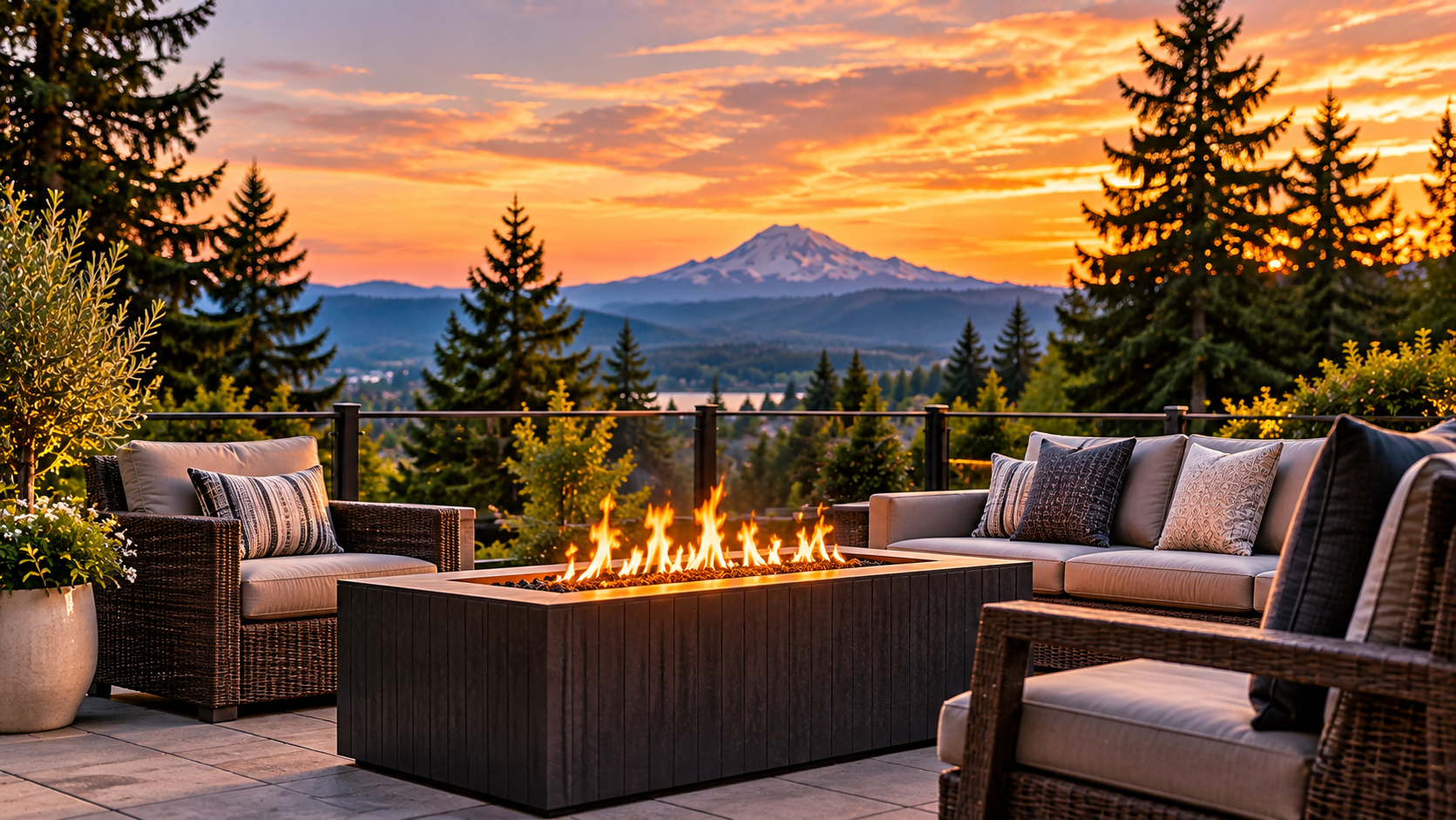
The bigger outdoors. From Puyallup, you’re within reach of Mount Rainier, winter recreation toward Snoqualmie Pass, Lake Tapps in Bonney Lake, the Foothills Trail toward Orting, and Puget Sound for boating, fishing, and whale watching.
The scenery. People moving here from out of state are often surprised by how green it is — and that much of our fall and winter is gray and drizzly rather than a constant downpour.
The honest tradeoffs
- Traffic. I’ve watched rural and semi-rural land around Puyallup turn into large neighborhoods, and roads haven’t always kept pace. At certain times of day, commuting can be daunting. Test your actual commute on a weekday — ideally before you write an offer, or at the latest during your inspection period after Mutual Acceptance.
- Lahar hazard areas. Parts of the Puyallup valley floor, including downtown, are in mapped Mount Rainier lahar hazard areas. Check the specific address, learn the evacuation route, and talk to your insurance agent. Here’s how to check flood and lahar risk on a Pierce County property.
- Older homes downtown. Character homes on the valley floor can need more updating. Read the Form 17 seller disclosure closely and consider a sewer scope inspection.
What Puyallup homes cost right now
According to NWMLS data for September 2026, Puyallup’s median sale price was $525,000, down 7.8% from a year earlier, and homes sold in a median of 28 days. 155 homes closed that month, up 3.3%. Prices vary across the Puyallup area, too: Puyallup-area ZIP code 98374 had a median of $540,000, while 98375 came in at $505,000. Monthly medians can swing based on which homes happened to sell, so I always pull current NWMLS data for the exact type of home and area you’re considering.
If you already own in Puyallup
A more balanced market rewards sellers who listen to it. I once helped a Puyallup seller who needed to move on a deadline: we tested their preferred price for ten days, adjusted when buyers told us it was too high, and had an offer within about three weeks — while two neighboring homes that listed right after sat for months. I share the full story in Should I Sell My Pierce County Home Now or Wait? and our guide to pricing your home in Pierce County.
For a broader overview, see Living in Puyallup, WA: A Home Buyer’s Guide and our Puyallup community page.
Frequently Asked Questions
Is Puyallup a good place to live?
Puyallup offers a historic downtown with Sounder rail access, the busier South Hill area with newer homes and shopping, and parks like Clarks Creek and Bradley Lake. The main tradeoffs are peak-hour traffic and lahar hazard areas on the valley floor. It fits buyers who want options within one city.
How much does a home cost in Puyallup, WA?
NWMLS data shows a median sale price of $525,000 in Puyallup in September 2026, with a median of 28 days on market. Prices vary a lot between downtown, South Hill, and newer subdivisions, so ask a local agent for current NWMLS data on the type of home you want.
Can you commute from Puyallup to Seattle by train?
Yes. Sound Transit’s Sounder S Line stops at Puyallup Station on West Main Avenue, with weekday trains to Seattle’s King Street Station in about 49 minutes and to Tacoma in about 13 minutes. Check the current schedule before you plan around it.
Is South Hill part of Puyallup?
Partly. South Hill has a Puyallup mailing address, but much of it is unincorporated Pierce County rather than inside city limits. Confirm the jurisdiction for any specific parcel, since services and permits can differ.
Is Puyallup in a lahar zone?
Parts of the Puyallup valley floor, including downtown, are in mapped Mount Rainier lahar hazard areas, while South Hill sits on the plateau above. Check official hazard maps for the specific address and learn the local evacuation routes.
Find your fit in Puyallup
Puyallup is a great place to live for a lot of people — but which Puyallup you choose matters as much as the house. Start with how you want to live, test the commute, and let that point you to the right part of town.
If you’re considering a move to Pierce County, text RELOCATE to 253-677-5765 for a personalized consultation covering neighborhoods, housing options, and what life here actually looks like. Already own in Puyallup and thinking about your next chapter? Book a complimentary Home Selling Strategy Session at barnardgroupre.com/sellit.
About Josh Barnard
Josh Barnard is the founder of The Barnard Group and has spent over 20 years helping families navigate some of life’s biggest moments through real estate. Known for his “Work Hard. Be Kind.” approach, Josh combines expert market knowledge, innovative marketing, and genuine care to help homeowners make confident decisions about their next chapter. Whether someone is buying their first home, moving up, downsizing, or relocating to Pierce County, his mission is simple: serve people well, create unforgettable experiences, and help families build a life they love.
Market data from NWMLS (September 2026). Verify jurisdiction, hazards, transit schedules, and utilities for each address.