Latest posts
-
Selling a Home With a Reverse Mortgage in Washington: Payoff, Heirs, and Timing
Yes, you can sell a home with a reverse mortgage. Here’s how payoff works, what heirs owe, the 95% rule, and the timelines Pierce County families should know.
-
Selling a Home With an Easement, Shared Driveway, or Boundary Issue in Washington
Shared driveways, private roads, easements, and fence-line problems are common in Pierce County. Here’s what to disclose and fix before you sell.
-
Got a Low Offer on Your Pierce County Home? How to Respond
A low offer isn’t an insult, it’s an opening. Here’s how Pierce County sellers can evaluate a lowball offer, counter it, and keep the buyer at the table.
-
Selling Your Home While Buying New Construction in Pierce County: How to Time Both

Builder timelines shift, and your sale has to fit. Here’s how Pierce County move-up buyers coordinate selling their home with a new construction purchase.
-
Selling a Pre-1978 Home in Washington: Lead-Based Paint Disclosure Rules
Selling a home built before 1978? Federal law requires a lead disclosure, the EPA pamphlet, and a 10-day inspection opportunity. Here’s how it works in WA.
-
Selling a Vacant Home in Pierce County: Insurance, Utilities, Security, and Showings
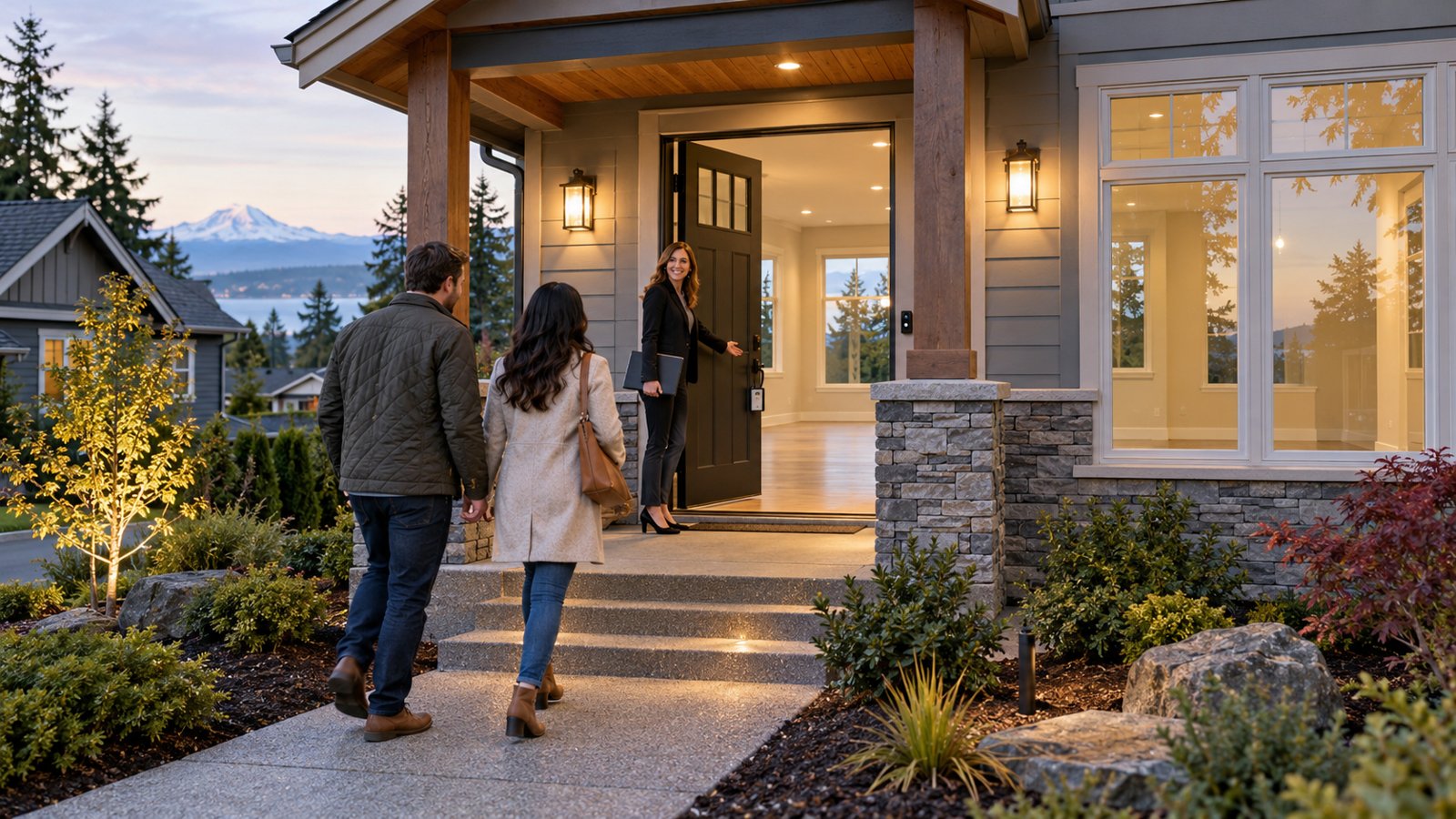
Selling a vacant home? Check your insurance vacancy clause, keep utilities on, protect against freezing, and plan showings and staging. A Pierce County guide.
-
Back-to-Back Closings: Selling and Buying on the Same Day in Washington

You can sell and buy on the same day in Washington, but the sale has to record and fund first. Here’s how Pierce County move-up sellers coordinate back-to-back closings.
-
Selling a Condo in Pierce County: HOA Documents, Assessments, and Buyer Financing

Selling a Pierce County condo comes down to three things: the HOA resale certificate, any special assessments, and whether buyers’ loans can finance the building. Here’s how to prepare.
-
Selling a Home With an Old Heating Oil Tank in Washington
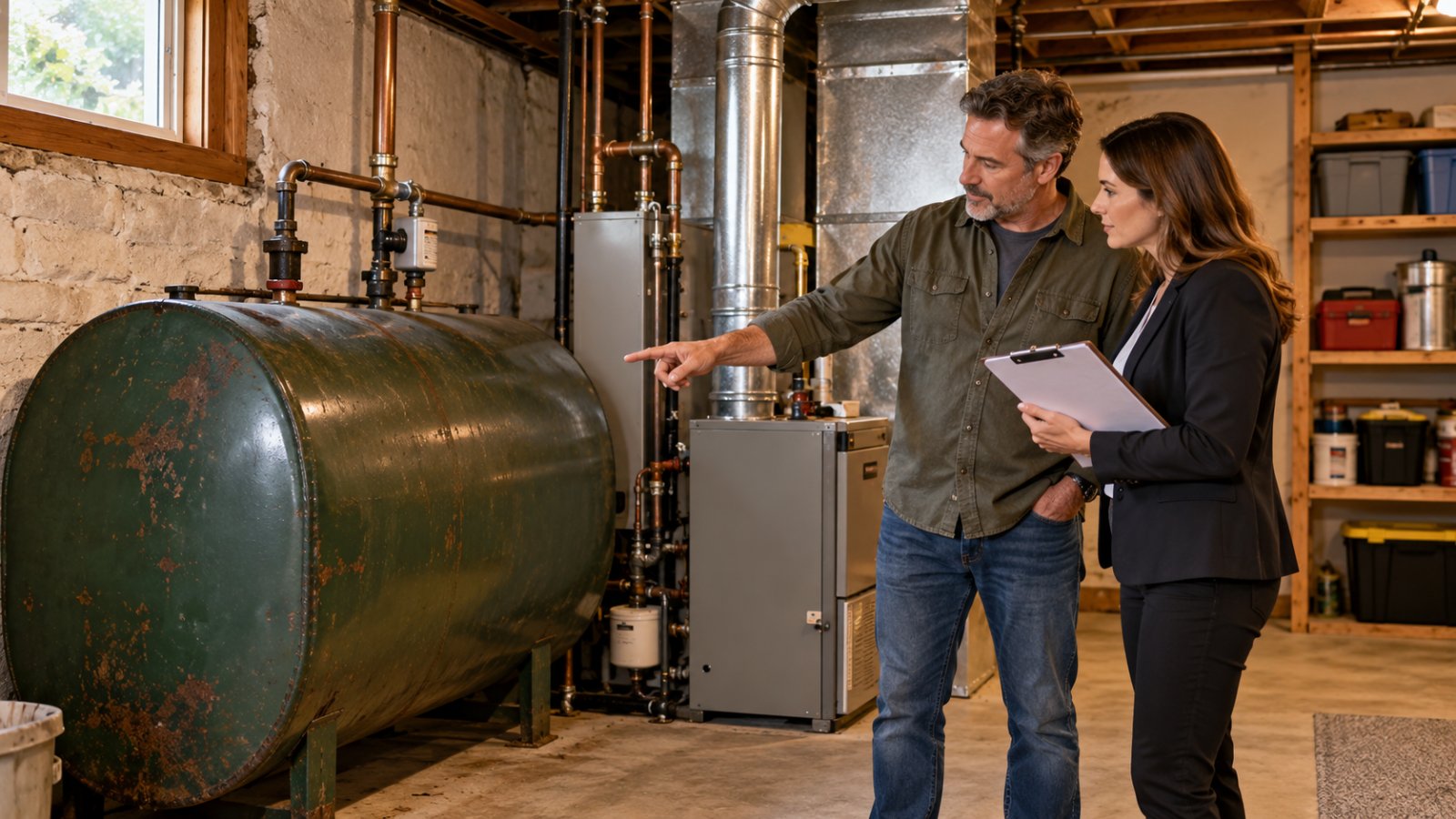
An old heating oil tank won’t stop a Pierce County sale, but buyers will ask about it. Here’s how to find it, test it, decommission it, and disclose it before you list.
-
Selling a Trust-Owned Home in Washington: Who Signs and What Title Needs

When a Pierce County home is held in a trust, the trustee signs and title usually asks for a certification of trust. Here’s who needs to be involved and how the sale works.