
Is Orting, WA a good place to live?
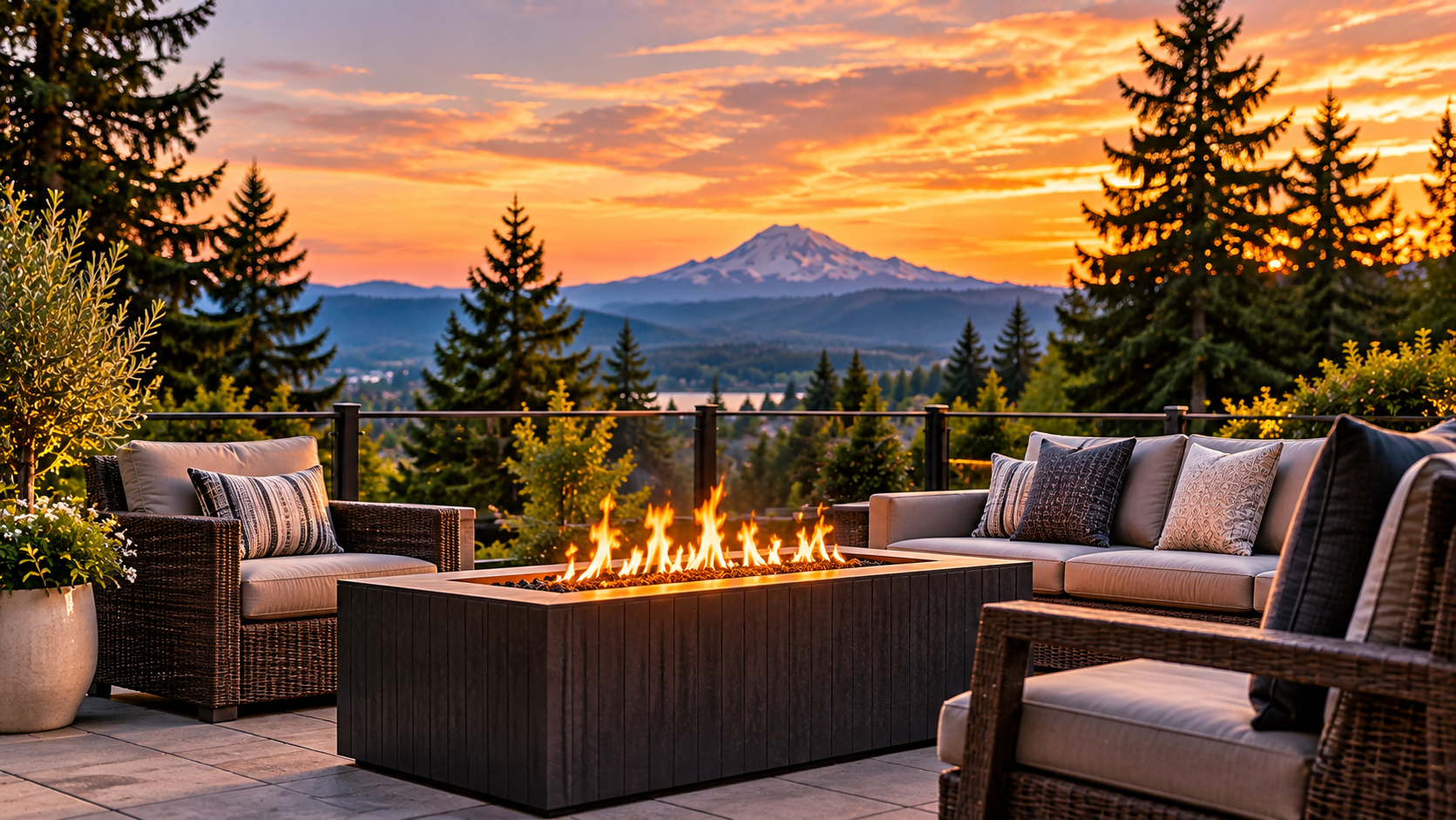
Orting is a small city in the Puyallup River valley of Pierce County with Mount Rainier views, the paved Foothills Trail running through town, and the Carbon and Puyallup rivers close by. The tradeoffs are real: there are only a few main routes in and out, SR 162 backs up at peak commute hours, and the town sits in a mapped Mount Rainier lahar hazard area. September 2026 NWMLS data puts Orting’s median sale price at $525,500, with a median of 30 days on market. If outdoor access and small-town character matter more to you than a short commute, Orting deserves a serious look.
I owned my first home in Puyallup for years before I moved to Orting, and Orting is still home for my family today. Over the last 15 to 20 years, I’ve watched this valley change a lot — and I’ve watched a lot of buyers fall in love with it on a sunny Saturday without seeing the whole picture.
So here’s my honest take. Not a brochure. The things I love about Orting, the things I want every buyer to understand before they write an offer, and how to decide whether it fits the way you actually want to live.
If you’re comparing several communities, our Pierce County Relocation Hub lays them side by side.
What daily life in Orting actually looks like
Orting still has an outdoorsy, small-town character. That’s the part I appreciate most, and it’s the reason most people I work with start looking here in the first place.
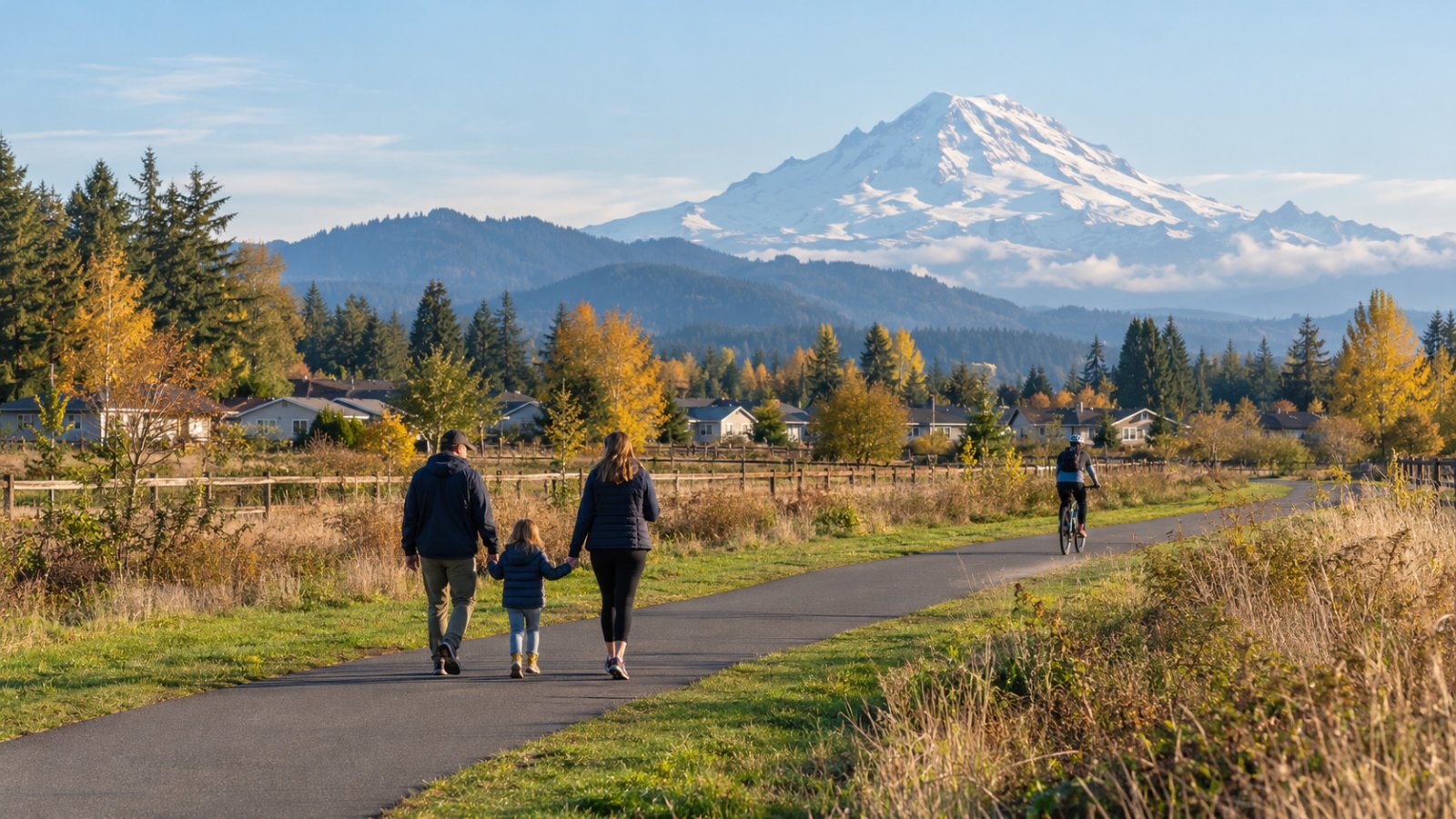
The trail runs right through town. The Foothills Trail is a paved, 12-foot-wide, non-motorized path that runs about 22 miles from Puyallup through Orting to South Prairie and Buckley. Around Orting you’ve got miles of paved and unpaved trail for walking, running, biking, and skating. For a lot of people, being able to step onto a trail without loading up the car changes how their week feels.
Two rivers frame the valley. The Carbon and Puyallup rivers are part of everyday life here. They’re beautiful, and they’re also moving water — if river recreation is on your list, pay attention to currents, conditions, and local rules.
The bigger outdoors is close. From Orting, you’re within reach of Mount Rainier, winter recreation toward Snoqualmie Pass, Lake Tapps in Bonney Lake, and Puget Sound for boating, fishing, and whale watching. When I help someone choose a home, I want them thinking about the life they’ll enjoy outside of it, not just the floor plan.
The scenery surprises people. Clients relocating from out of state are often amazed by how green it is here. They also arrive expecting nonstop downpours. We get our share of rain, but much of fall and winter is gray and drizzly rather than a constant soak — and summers can be warmer and sunnier than newcomers expect. The fall color in the valley is something you have to see in person.
My own favorites. For me, everyday Orting looks like walking the trails along the Carbon River, heading to the main park in town with my family, and dinner at Los Pinos Mexican Restaurant, our favorite spot in town. Those small routines are a big part of why I still choose to live here.
The two things I want every Orting buyer to understand
1. Traffic and the commute
This is the big one. Orting is beautiful, but over the last couple of decades, residential growth has outpaced the roads and infrastructure that serve it. There are limited main routes in and out of the valley, and rush-hour backups can be substantial.
WSDOT’s own planning study of SR 162 — the highway linking Sumner, Orting, and the Orting Valley — notes that travelers often see delays during peak commute hours and that continued development will likely add traffic. The study was finished in September 2025, but no funding has been identified yet to design or build the recommended improvements. I’m not convinced the improvements being discussed will solve all of it, even once they happen.
You’ll also hear two perspectives in town. Longtime residents of “old Orting” remember a more rural community. People who moved into the newer developments over the past 20 or 30 years may see growth differently. But in my experience, most people on both sides agree the infrastructure needs attention.
Here’s my advice: drive the commute on a weekday, at the time you’d actually leave. Not on a quiet Sunday after an open house. If you can, do it before you make an offer — or at the latest, during your inspection window after Mutual Acceptance, while you still have options.
Here’s what that looks like from my own driveway. Rush hour heading out of Orting runs roughly 6 to 8 in the morning, and the crunch coming back into town runs about 4 to 6 in the evening. On a weekday evening, the drive home from Sumner alone can easily take 45 minutes. If your job means leaving or returning in those windows, build that into your decision.
2. Orting sits in a lahar hazard area
Orting is in the Puyallup and Carbon river valleys below Mount Rainier, and USGS maps lahar (volcanic mudflow) hazard zones down those valleys. USGS monitors Mount Rainier with a lahar detection system, and the City of Orting has been building a pedestrian evacuation bridge over SR 162 as the first phase of a city-approved evacuation route.
This doesn’t stop people from living here, and I don’t want to overstate it. But you should go in informed. Check the specific address on official hazard and FEMA flood maps, learn your evacuation route, read the floodplain questions on the seller’s Form 17 disclosure, and talk to your insurance agent before you’re under contract. I walk through how to do that in our guide to checking flood, lahar, and landslide risk on a Pierce County property.
What Orting homes cost and what to check before you buy
According to NWMLS data for September 2026, Orting’s median sale price was $525,500, down 7.0% from a year earlier, and the median home took 30 days to sell. Only 18 homes closed that month. Orting is a small market, so medians can swing from month to month — I always pull current NWMLS numbers for the exact type of home you’re considering before we talk price.
A few things I tell buyers looking here:
- Know which part of Orting you’re buying in. Homes near the historic downtown and the newer subdivisions built over the past few decades offer different lot sizes, home ages, and daily routines. Tour both before you decide.
- Get your own inspector — even on new construction. Some buyers assume a brand-new home doesn’t need an inspection. Construction issues happen in new homes too, and I’d rather you find them and work with the builder on corrections before you move in.
- Ask about utilities. Some properties outside the city’s core may be on septic or a private well. If so, plan for septic and well inspections during your contingency period.
- Read the Form 17 closely. The seller disclosure covers floodplain, drainage, and utility questions that matter in a river valley.
More detail on neighborhoods, housing styles, and amenities lives on our Orting community page and in Living in Orting, WA: A Home Buyer’s Guide. If you’re also weighing nearby towns, see Orting vs. Buckley and Sumner vs. Orting.
So, is Orting right for you?
When someone asks me where they should live in Pierce County, I don’t start with houses. I ask how they want to live. Do you want space, privacy, and maybe some land, or do you want shopping and restaurants a few minutes away? Is a short commute essential, or will you drive farther for more room and trail access out your door?
If outdoor access, mountain views, and a small-town feel are at the top of your list — and you’ve tested the commute and you’re comfortable with the hazard planning — Orting can be a wonderful fit. If a predictable, short daily drive matters most, another part of the county may serve you better. A beautiful house in the wrong location won’t make you happy long term.
Frequently Asked Questions
Is Orting, WA a good place to live?
Orting offers Mount Rainier views, the paved Foothills Trail through town, nearby rivers, and a small-town feel. The main tradeoffs are peak-hour traffic on a limited number of routes like SR 162 and its location in a mapped lahar hazard area. It works well for buyers who prioritize outdoor access and can accept a longer commute.
How much does a home cost in Orting, WA?
NWMLS data for September 2026 shows a median sale price of $525,500 in Orting, with a median of 30 days on market. Because Orting is a small market, figures can shift month to month, so ask a local agent for current numbers on the specific type of home you want.
Is Orting in a lahar zone?
Yes. USGS maps Mount Rainier lahar hazard zones down the Puyallup and Carbon river valleys, which include Orting. Check the specific address on official hazard and flood maps, learn local evacuation routes, and talk with your insurance agent before you buy.
How bad is traffic in Orting?
Peak-hour delays are common because growth has outpaced the roads, and there are only a few main routes in and out. Rush hour runs roughly 6 to 8 a.m. heading out and 4 to 6 p.m. coming back, and the evening drive home from Sumner can take 45 minutes. WSDOT’s SR 162 study confirms peak-hour congestion between Sumner and Orting, and improvements are not yet funded. Drive your actual commute on a weekday before committing.
What should I check before buying a home in Orting?
Test the weekday commute, review hazard and flood maps for the address, and read the Form 17 seller disclosure closely. Hire your own inspector, even for new construction, and add septic or well inspections if the property uses them.
Thinking about a move to Orting?
Orting gives you trail access, river valley scenery, and a small-town feel that’s hard to find this close to Tacoma — as long as you go in with clear eyes about the commute and the planning that comes with living below Mount Rainier. That honest conversation is exactly what I want to have with you before you fall in love with a house.
If you’re considering a move to Pierce County, text RELOCATE to 253-677-5765 for a personalized consultation covering neighborhoods, housing options, and what life here actually looks like. Already own in Orting and thinking about your next chapter? Book a complimentary Home Selling Strategy Session at barnardgroupre.com/sellit.
About Josh Barnard
Josh Barnard is the founder of The Barnard Group and has spent over 20 years helping families navigate some of life’s biggest moments through real estate. Known for his “Work Hard. Be Kind.” approach, Josh combines expert market knowledge, innovative marketing, and genuine care to help homeowners make confident decisions about their next chapter. Whether someone is buying their first home, moving up, downsizing, or relocating to Pierce County, his mission is simple: serve people well, create unforgettable experiences, and help families build a life they love.
Market data from NWMLS (September 2026). Researched October 2026. Verify hazards, utilities, and boundaries for each address with official sources.