

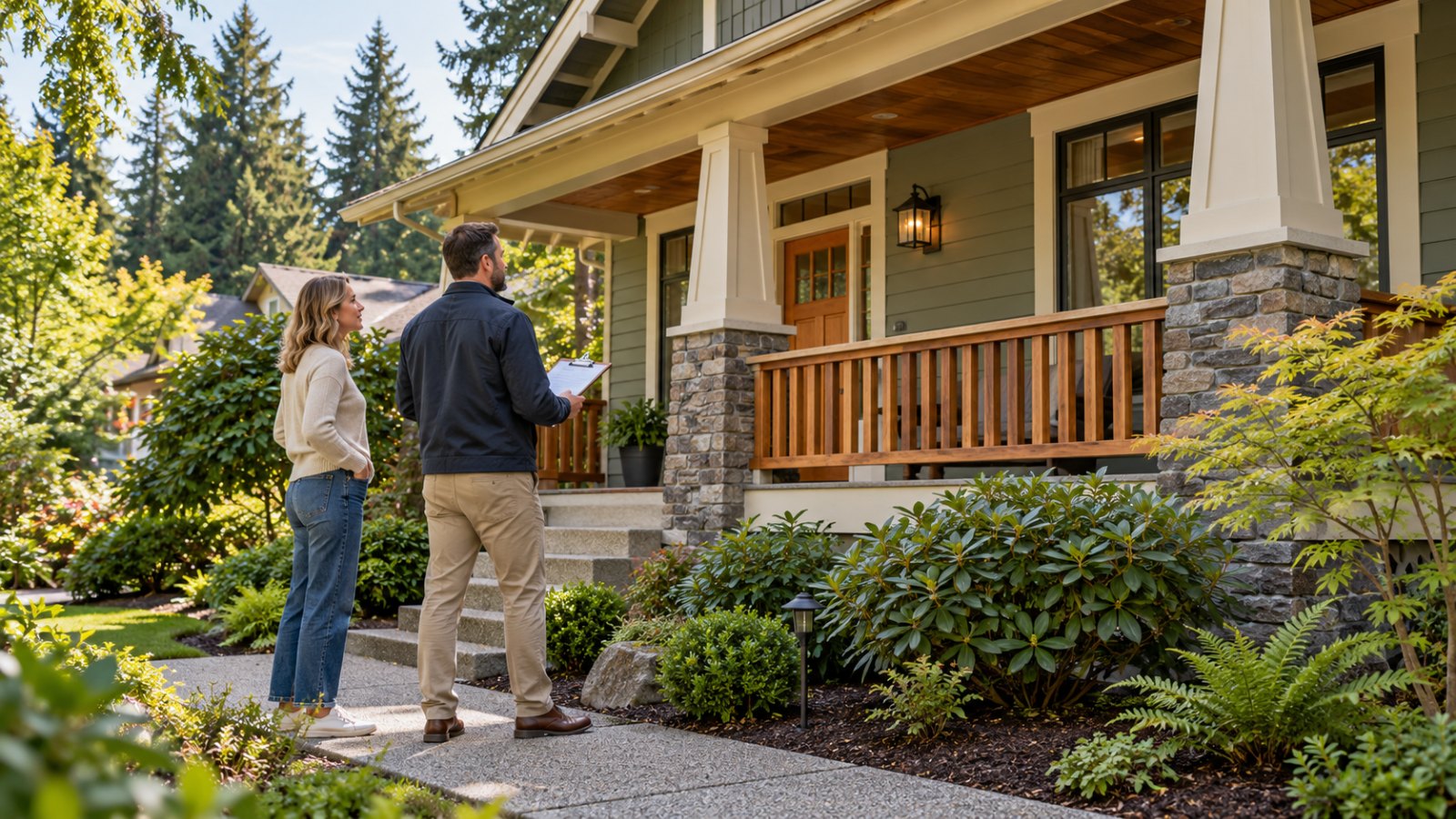
Accepting an offer from a buyer using an FHA or VA loan is common in Pierce County, especially near JBLM and among first-time buyers. These offers work well for many sellers, with two differences worth planning for. First, the appraisal also checks that the home meets the program’s minimum property standards, so issues like peeling paint on older homes, missing handrails, or roof problems may need to be fixed before closing. Second, seller concessions have program limits. Knowing this up front helps you compare offers fairly and avoid last-minute surprises.
Government-backed buyers are often well qualified and motivated. Understanding the rules helps you judge an FHA or VA offer on its real strengths.
For the full seller process, start with our Pierce County home selling guide.
How the appraisal is different
FHA and VA appraisals estimate value like any appraisal, but the appraiser also checks whether the home meets the program’s minimum property requirements, which focus on safety, soundness, and security. Items that commonly come up include:
- Peeling or chipping paint, especially in homes built before 1978
- Roof condition and signs of active leaks
- Missing handrails on stairs or unsafe steps
- Working heat, water, and electrical systems
- Broken windows or safety hazards
- Crawlspace or attic access and signs of moisture
If the appraiser calls for repairs, they typically need to be completed before closing. Our guide to low appraisals and appraisal gaps covers what happens if the value comes in short.
Seller concession limits
Both programs limit how much the seller can contribute. FHA generally allows interested-party contributions up to 6% of the price. VA generally caps seller concessions at 4% of the home’s reasonable value, separate from normal closing costs the seller pays. Your buyer’s lender will confirm the exact limits. See seller concessions in Pierce County for how credits fit into negotiations.
Comparing an FHA or VA offer?
Josh can review your home for likely appraisal items and help you compare offers on net proceeds and certainty, not just price. Talk through your offers.
How to prepare
- Fix small safety items before listing. Handrails, broken windows, and peeling paint are inexpensive to address early.
- Consider a pre-listing inspection on older homes to find issues ahead of time.
- Keep utilities on so the appraiser can test systems.
- Build in time. Repairs and re-inspections can add days to the timeline.
Comparing FHA and VA offers with others
An FHA or VA buyer can be just as strong as a conventional buyer. Look at the full picture: the buyer’s pre-approval, down payment, contingencies, timeline, and any concessions requested. Our guide to choosing between multiple offers walks through it.
Frequently asked questions
Do I have to make repairs for an FHA or VA buyer?
Not automatically, but if the appraisal requires repairs for the loan, they usually have to be done before closing. You can negotiate who handles them.
Are FHA and VA buyers less likely to close?
Not necessarily. Strong pre-approvals and a well-prepared home help any offer close.
Can I refuse FHA or VA offers?
Talk with your broker before limiting financing types. Doing so can shrink your buyer pool, especially near JBLM.
Be ready for every qualified buyer
A little preparation keeps FHA and VA offers on track. Book a complimentary strategy session with Josh Barnard and The Barnard Group.
This article is general information, not lending advice. Program rules change; the buyer’s lender will confirm current requirements.

