

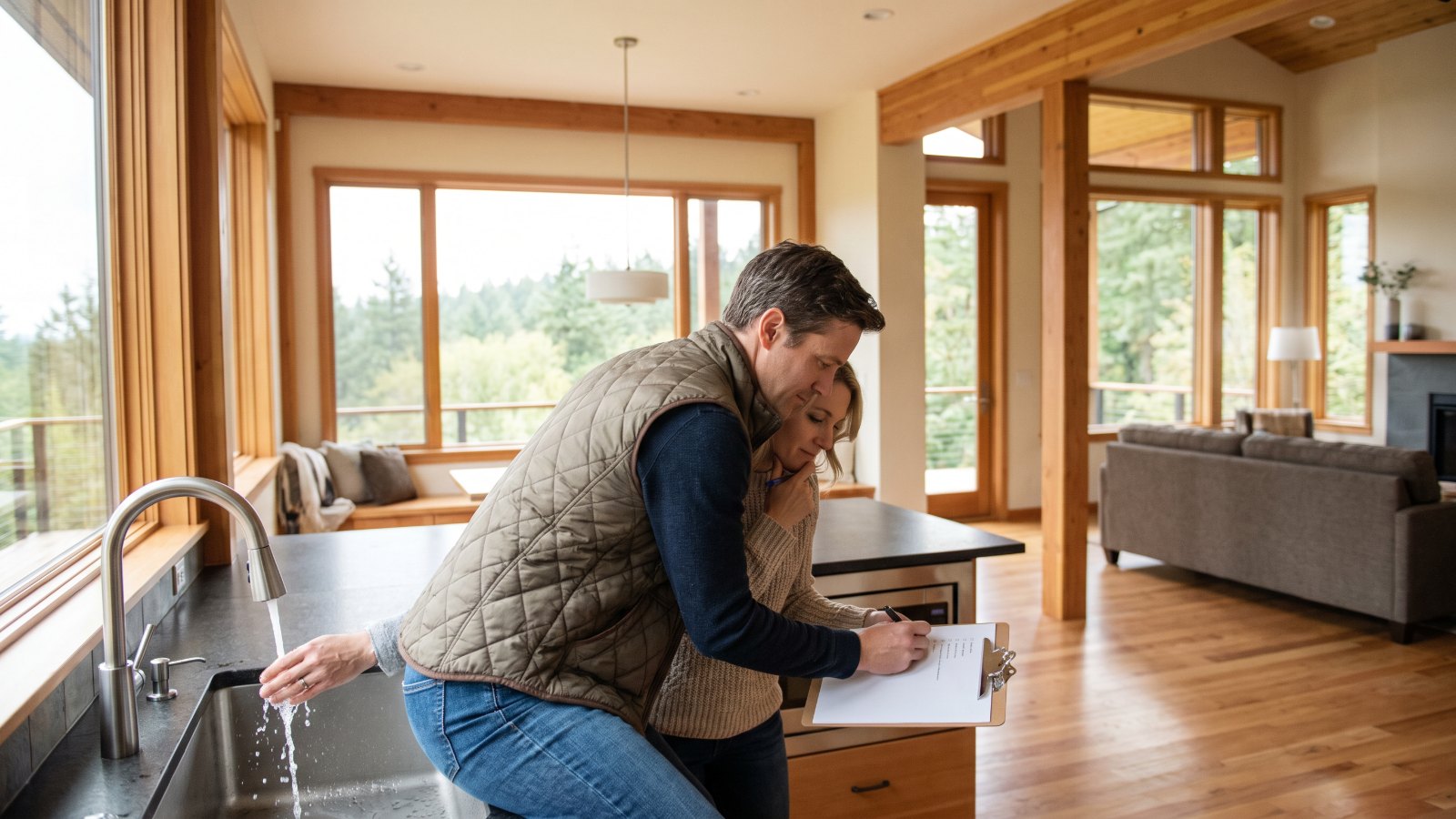
A final walkthrough is the buyer’s last look at the home before closing, usually within a few days of the closing date. Its purpose isn’t a second inspection. It’s to confirm the home is in the condition the purchase agreement requires: agreed repairs are done, included items are still there, systems work, and nothing has been damaged since the offer was accepted. If something is wrong, the time to raise it is before you sign, not after the deed records.
In Washington, most of what matters at the walkthrough comes straight from the purchase agreement. Knowing what yours says makes the walkthrough faster, calmer, and far more useful, whether you’re the buyer or the seller.
When the walkthrough happens
Most buyers schedule the walkthrough one to three days before closing, after the seller has moved out or mostly moved out. That timing lets you see the home without furniture hiding problems, while still leaving time to resolve an issue before closing. If the seller is staying after closing under a rent-back agreement, plan for how the home’s condition will be checked when they leave, too.
What the purchase agreement controls
- Condition of the home. The purchase agreement generally requires the seller to maintain the property in its current condition until closing, subject to normal wear.
- Included items. The agreement lists what stays with the home, such as attached fixtures and certain appliances. Anything the seller agreed to leave should still be there.
- Agreed repairs. If you negotiated repairs after the inspection, the walkthrough is where you confirm they were completed as agreed. Ask for receipts or invoices.
If you negotiated repairs through the inspection contingency, bring a copy of that agreement to the walkthrough so you can check each item.
A practical walkthrough checklist
| Area | What to check |
|---|---|
| Repairs | Each negotiated repair is complete; receipts or invoices provided |
| Kitchen | Appliances that convey are present and working; sink, disposal, and dishwasher run |
| Plumbing | Run every faucet and shower; flush toilets; look under sinks for leaks |
| Heating and cooling | Furnace, heat pump, or AC turns on and responds to the thermostat |
| Electrical | Lights and switches work; test a few outlets; garage door openers work |
| Walls, floors, ceilings | No new damage from moving; no new water stains |
| Doors and windows | Open, close, and lock; no broken glass |
| Outside | Yard, deck, and gutters look as expected; no debris or items left behind |
| Keys and extras | Keys, codes, remotes, and manuals are identified or on site |
Take photos as you go. Pacific Northwest weather matters here, too: in fall and winter, look for fresh water intrusion near windows, skylights, and basement walls.
Getting close to closing?
Josh walks through homes with his buyers and coordinates fixes with the other side so small issues don’t become closing-day surprises. Start with The Barnard Group.
What if something is wrong?
Most walkthrough issues are small and get solved quickly. Common solutions include:
- The seller fixes it before closing, if time allows.
- A credit or price adjustment, agreed in writing and reflected in the settlement statement.
- Funds held in escrow until a repair is completed, if the closing agent and lender allow it.
- A short delay of closing, by written agreement, for bigger issues.
Whatever you agree to, put it in writing through your agents so the closing agent can handle it. See how title and escrow work in Washington for how those final steps fit together.
Tips for sellers
- Finish agreed repairs early and keep receipts ready to share.
- Leave items that convey, plus keys, remotes, and manuals, in an obvious spot.
- Remove your belongings and trash, and leave the home reasonably clean.
- Keep utilities on through closing so the buyer can test systems.
- Protect floors and walls on moving day. Most walkthrough disputes start with moving damage.
If you’re preparing to sell, our guide to preparing a Pierce County home for sale covers what to do before you list.
Frequently asked questions
Is a final walkthrough required in Washington?
It’s not required by state law, but it’s standard practice and strongly recommended. Skipping it means giving up your best chance to catch problems before closing.
How long does a final walkthrough take?
Usually 30 minutes to an hour, depending on the size of the home and how many repairs you’re checking.
Can I back out after the walkthrough?
Only if the purchase agreement gives you a way to. The walkthrough itself isn’t a new contingency. Talk with your agent, and an attorney if needed, about your options.
Close with confidence
A careful walkthrough protects everything you negotiated. Book a complimentary strategy session with Josh Barnard and The Barnard Group before you buy or sell.
This article is general information, not legal advice. Review your purchase agreement with your broker, and consult an attorney for legal questions.